
Oom Pay La La
Payments acceptance in Singapore

Asia is the region with some of the world’s most advanced payments systems.
It’s the place to be, which is why I was there recently, doing on-the-ground research while on holiday.
Starting with Singapore, I’ll share my holiday snaps over the next few articles.
You can read about Singapore’s payments landscape in my article from last year, Talkin’ Singapore.
Two hundred years ago, Singapore was virtually uninhabited, a fishing village with under 1,000 people. Chinese and Indian traders, facilitated by the British have since fuelled its growth, drawing in people from around the region to make the city it is today.
With four languages (five including Singlish) and cuisine from multiple countries – Chinese, Indian, Indonesian, Korean, Malay, Tamil, Singapore likes to mix things up and get the best of each. The same is true of payments where payment methods from across the region are accepted as well as its home-grown ones.
Consequently, Singapore is awash with payment methods which are promoted everywhere, as illustrated by the banner advert in Figure 1, photographed on the side of an escalator in Sentosa island, listing 13 payment methods from across the region (presumably targeted at tourists).
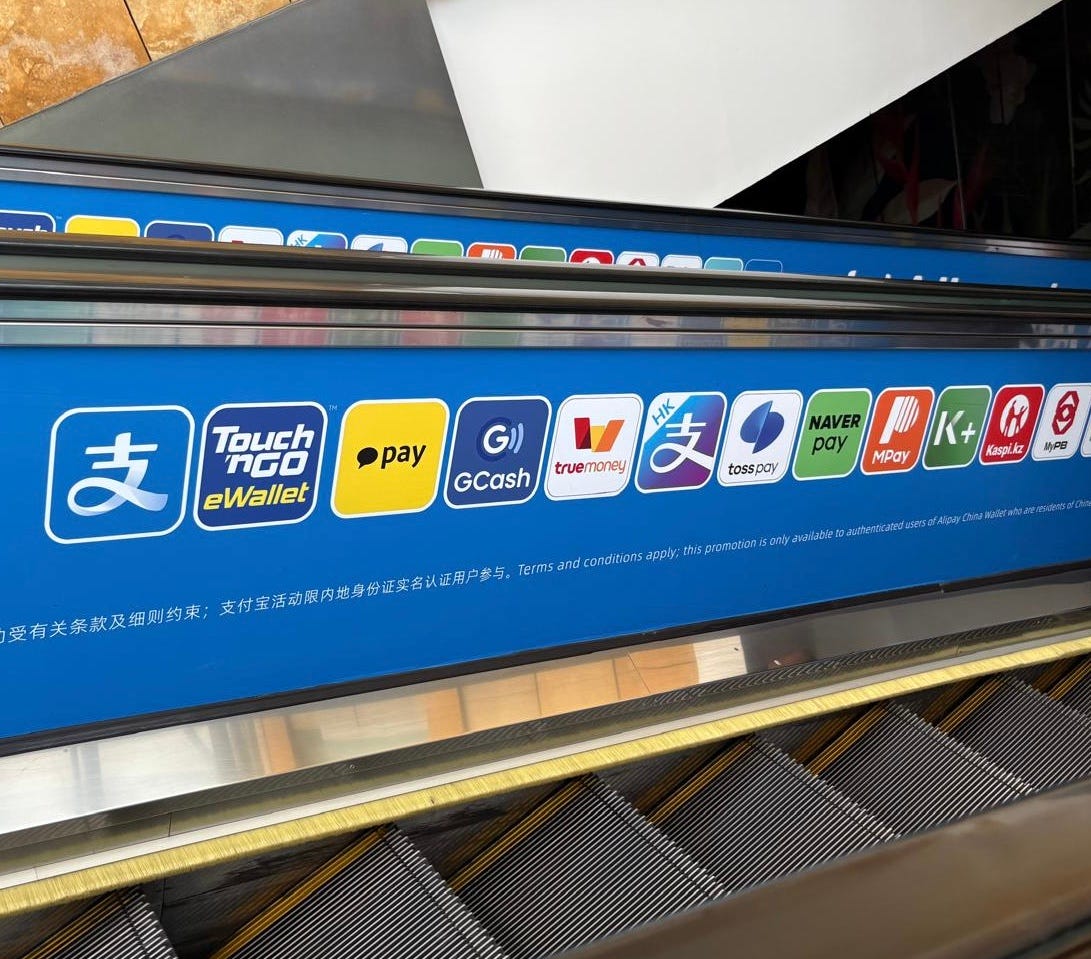
Figure 1 – escalator advert in Sentosa
Singapore standardised QR codes in 2018 with the SGQR standard, as described in my previous article. Retailers displaying the SGQR code can accept payments using it from a variety of payment wallets and institutions. An example is shown in Figure 2.
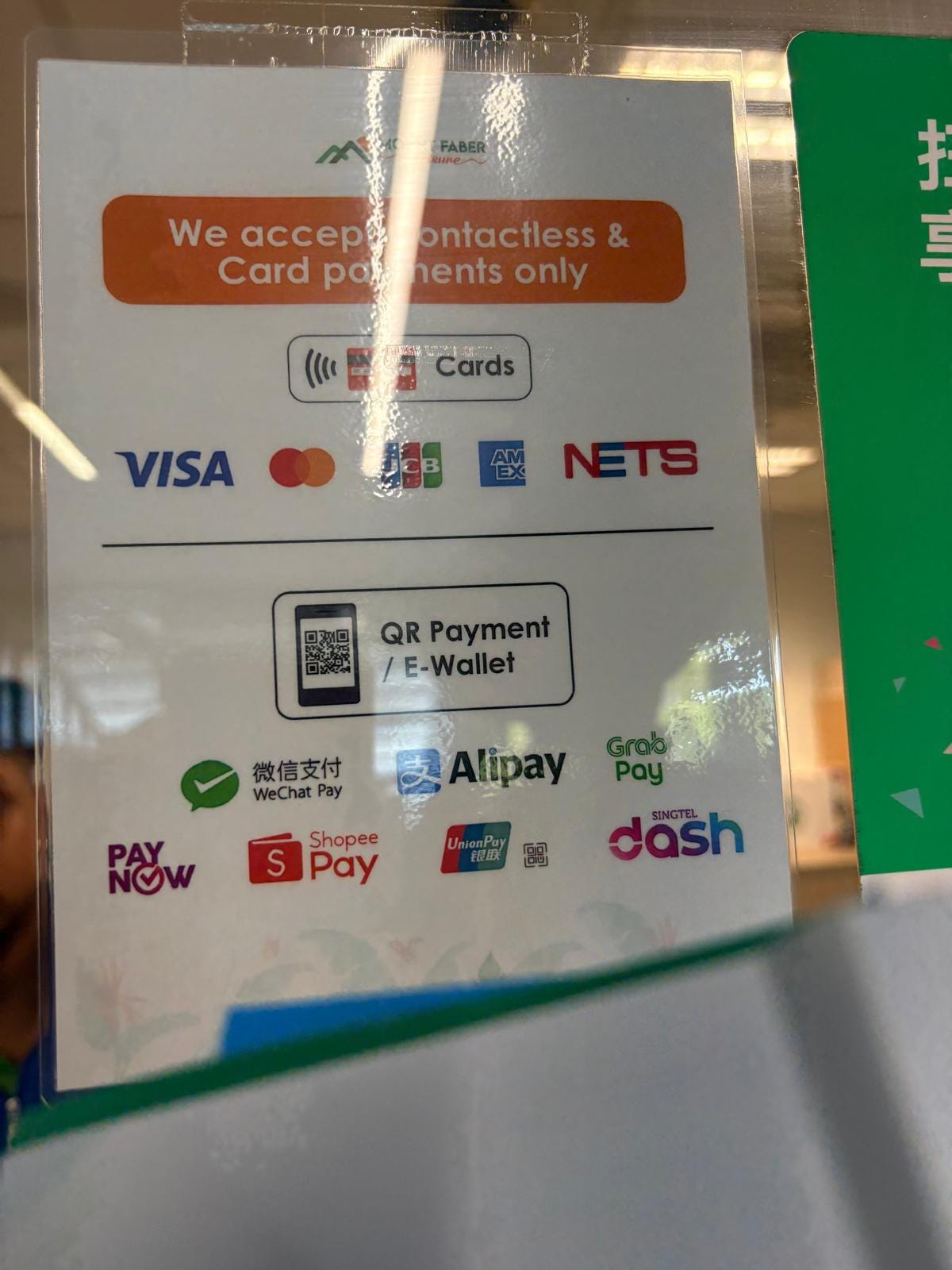
Figure 2 – Payment acceptance sign in the window of a Singapore retailer
The sign in Figure 2 encapsulates the flexibility and scope of payments acceptance in Singapore - contactless (NFC) payments and QR code payments, card payments and A2A e-wallet payments, bank payments (PayNow) and non-bank payments (e.g. Grab Pay), local brands (NETS) and overseas brands (e.g. WeChat Pay).
These payments are also accepted by micro-vendors. In the 1970s, the Singapore government cleared food vendors from the streets into hawker centres which are still located across the city today. Here they have their own stalls but share infrastructure, which can include payment acceptance – as an example, Figure 3 shows the POS equipment used by many vendors in the Lau Pa Sat hawker centre.
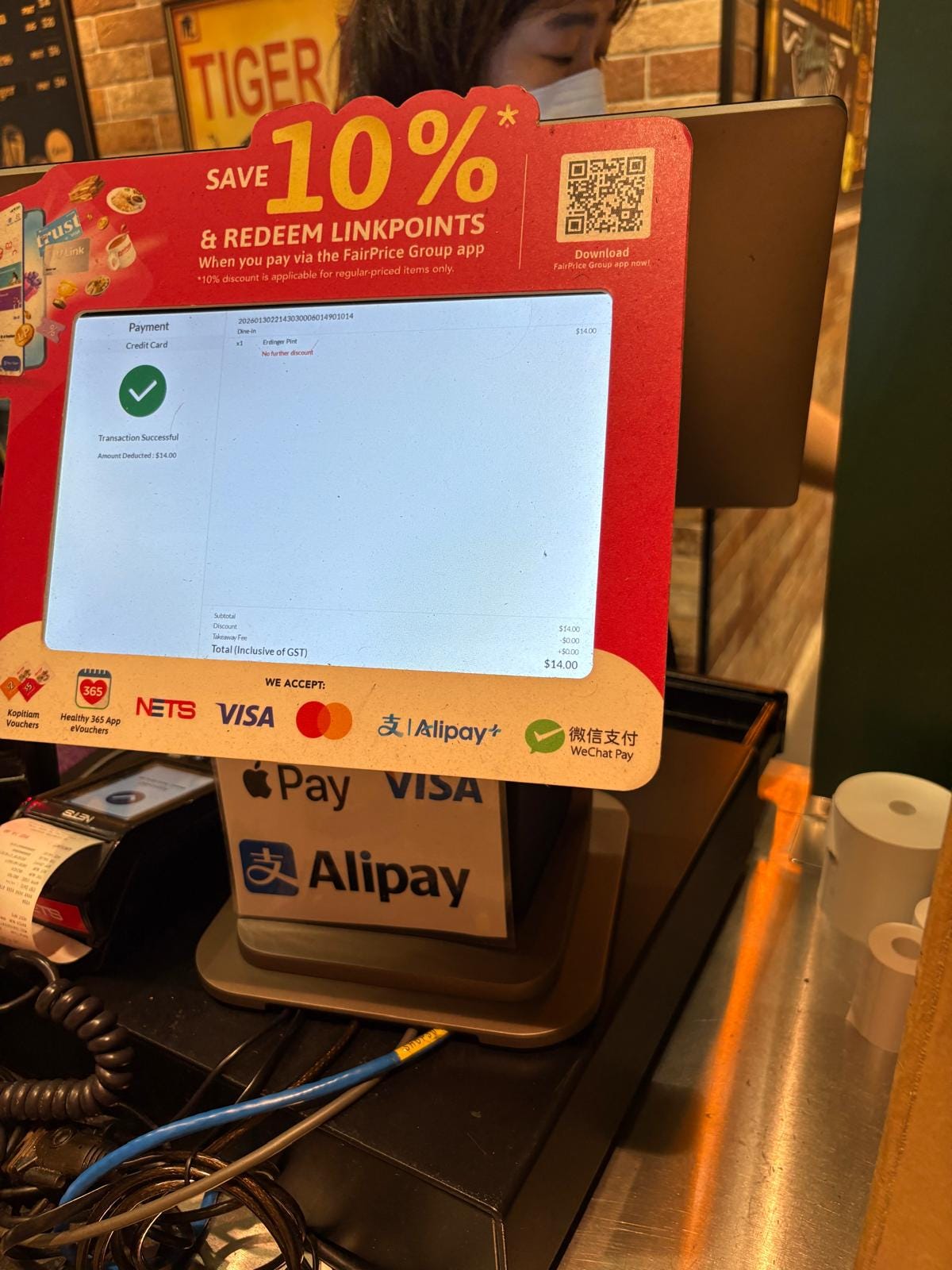
Figure 3 – POS equipment used by many hawkers at the Lau Pa Sat hawker centre
Transport payments are big in Singapore with over half of the population using the Mass Rail Transit (MRT) everyday1. The MRT has its own payment method and ticketing application, previously known as Ezlink, rebranded as Simply Go and issued today as a wallet (formerly a card). The MRT also accepts contactless cards on the platform gates, both international and local debit (NETS), as shown in Figure 4.
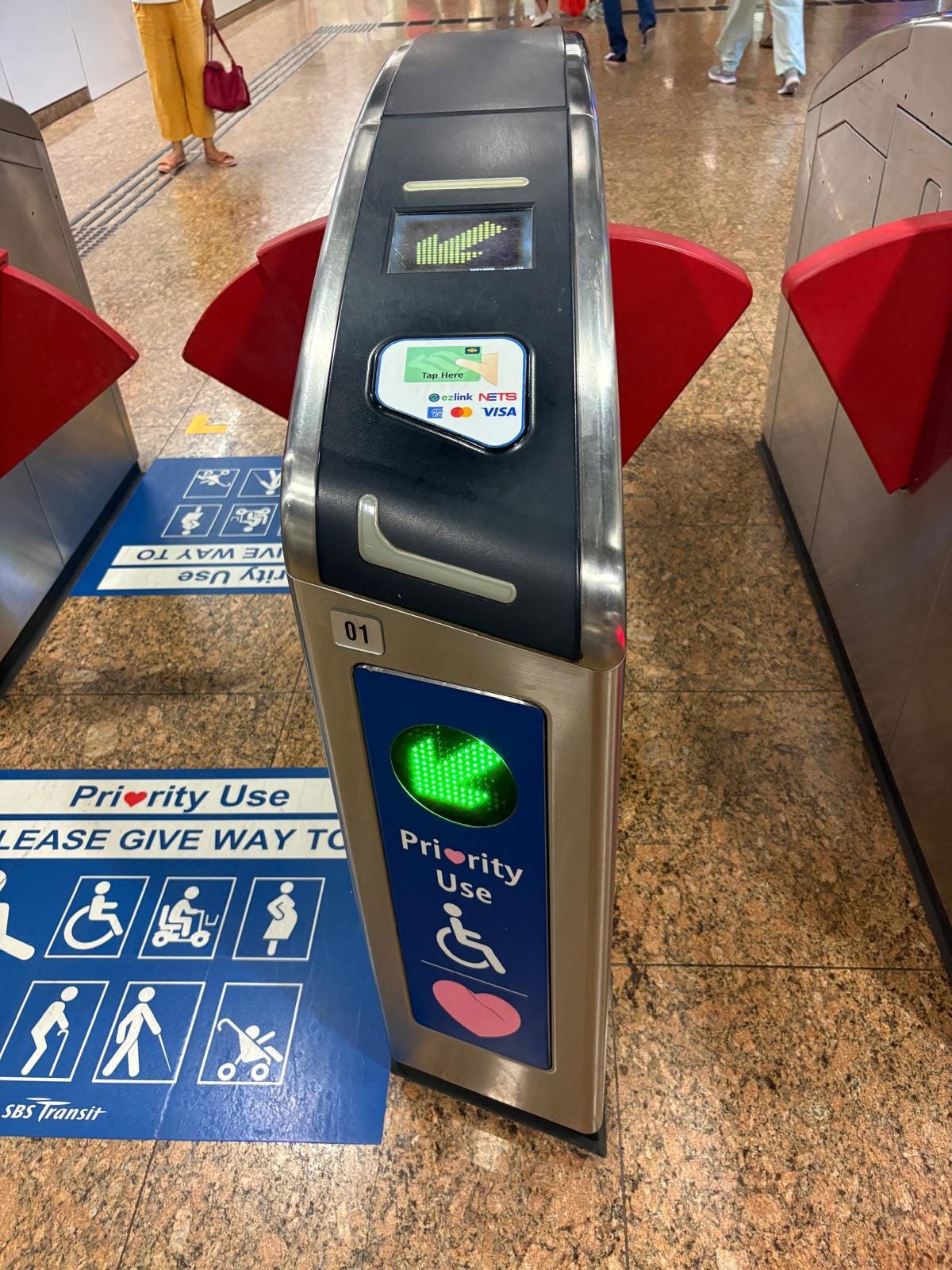
Figure 4 – MRT contactless payments
Another transport payment system is the ERP (Electronic Road Pricing) toll system for vehicles to pay to enter congested areas of the road network. 40 years ago, I remember this was policed by blue-uniformed traffic wardens who checked for cars displaying permits on their windscreens as they entered the congestion zones.
Today, around 100 ERP gantries automate this checking and collect payment automatically when vehicles pass under them, see Figure 5. Pricing is dynamic, ranging from 0.50 – 5.00 SGD (0.40 – 4.00 USD) depending on location and time of day.
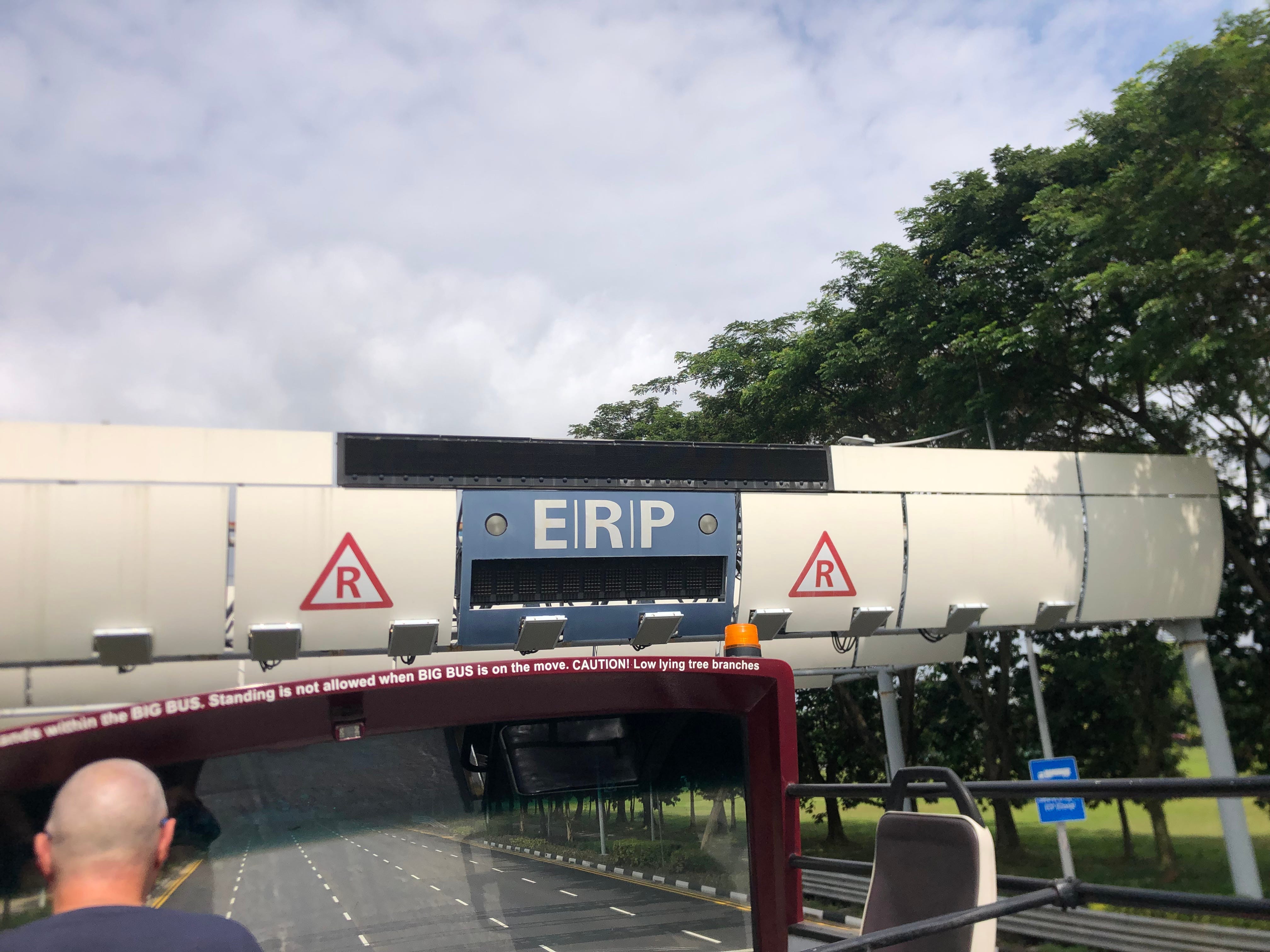
Figure 5 – ERP gantry (from a bus)
My final takeaway from Singapore is the prominence of Alipay+. Alipay+ is the international arm of Alipay, the mass-use digital wallet in China and is used mainly to allow Chinese tourists to make purchases in Singapore using their Alipay wallets. Alipay+ features in Figures 1, 2 and 3 and has its own adverts in Singapore targeted directly at tourists from China – see Figure 6.
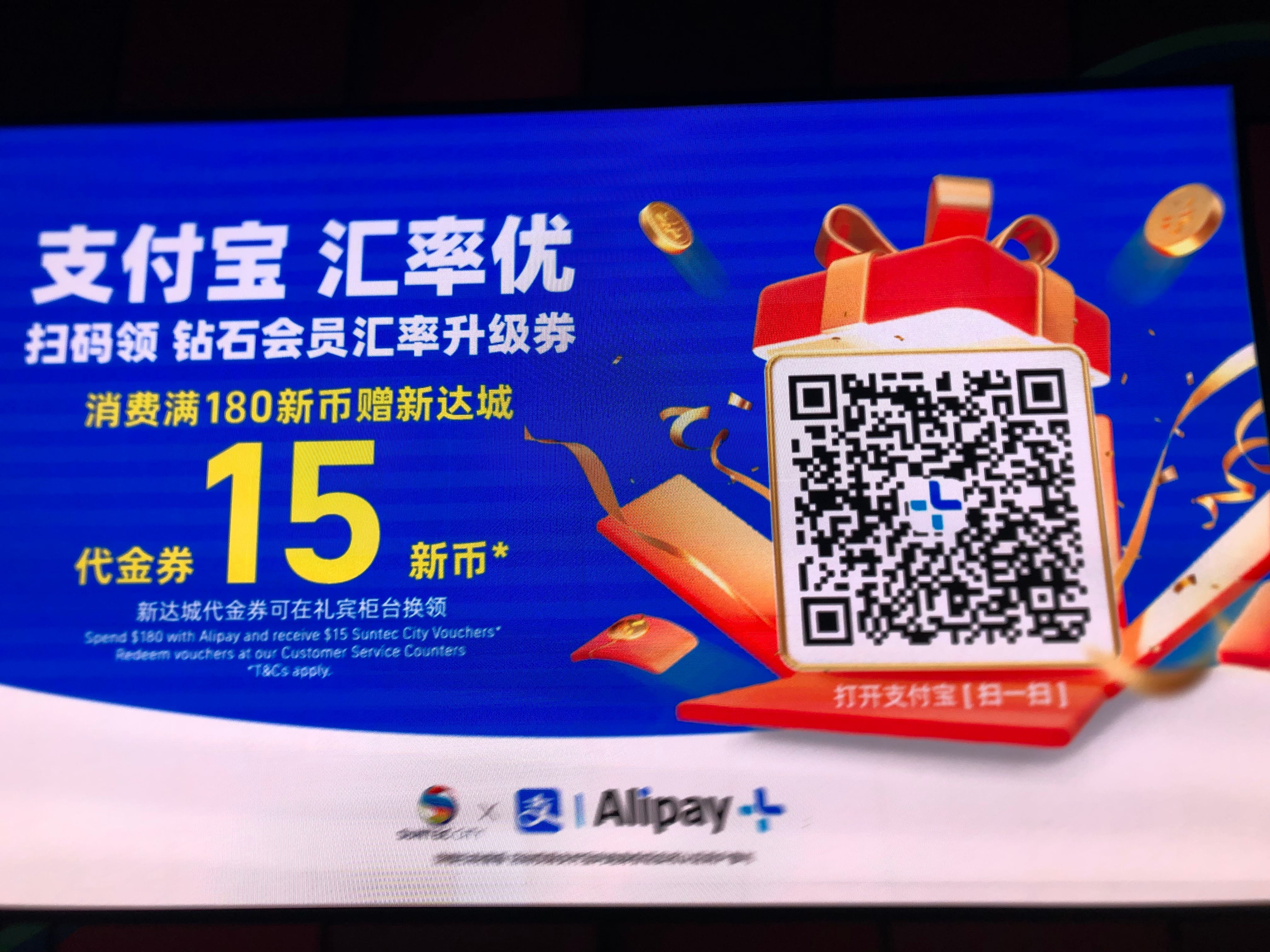
Figure 6 – Alipay+ promotion for Chinese tourists in Singapore
Wechat Pay (Weixin Pay), Alipay’s competitor in China runs similar promotions in Singapore, also aimed at Chinese tourists.
Conclusion
Singapore has far more payment methods than is justified normally by the size of its population. They are sustained by its position as a regional centre for trade and commerce and by an openness which promotes interoperability with the payment systems of other countries in the region.
Singapore is a showcase for payments innovation and a beacon for emerging payment trends – in particular, the rise of Alipay+ as a cross-border interoperable payments mechanism is one to watch.
average 3.5m rides per day, population 6m https://www.straitstimes.com/singapore/transport/more-people-used-mrt-in-2025-as-lrt-ridership-falls-bus-numbers-still-below-pre-covid-levels