
Eastern Promise
Real-time payments in the Middle East

It has been over a year since I covered real-time payments in the Middle East, so here is an update.
Table 1 shows the real-time payment systems in the Middle East and transaction volumes for 2024 and 2025 (where the data is available).
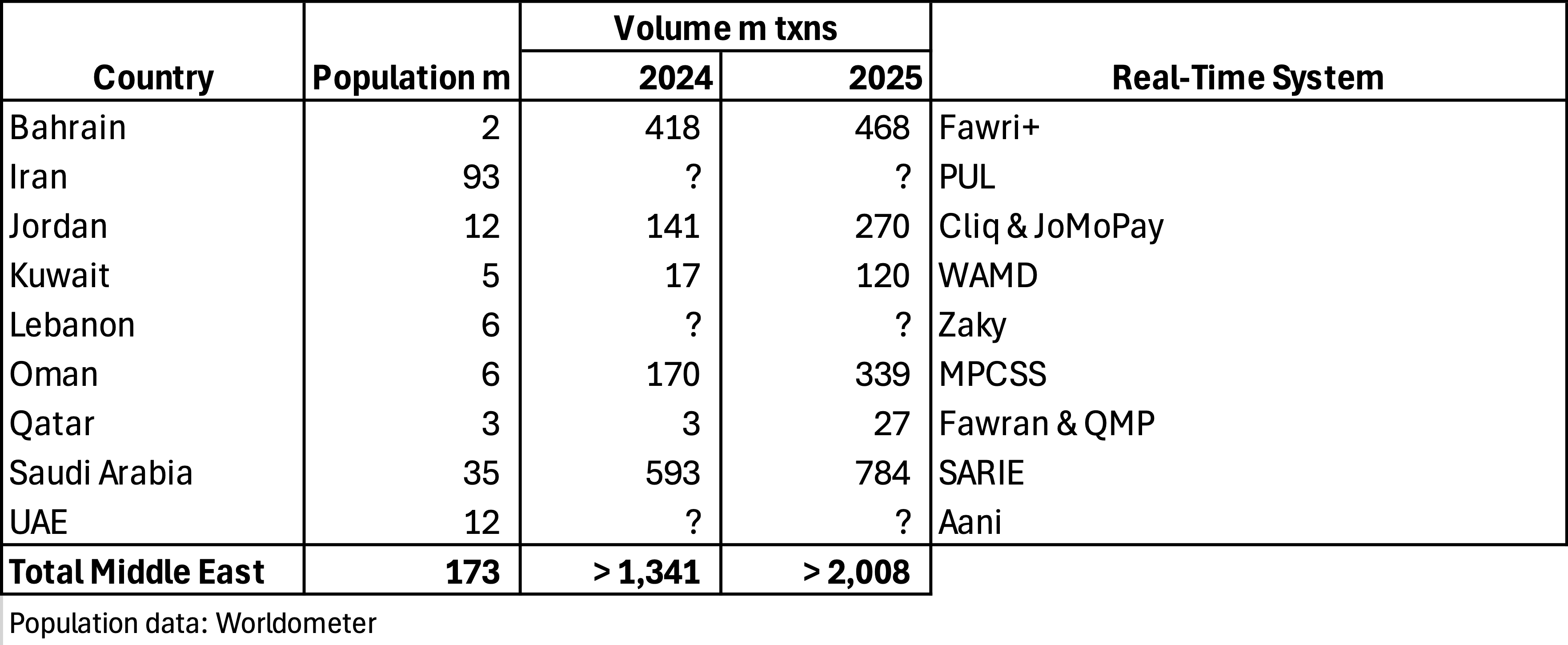
Table 1 – Middle East real-time payment systems: interbank and mobile
The most established real-time payment system is Fawri+ in Bahrain, launched in 2015. In my report last year1 somehow, I was unable to find data on Fawri+, now rectified here.
In 2025, Bahrain averaged 335 real-time payments per capita (PPC) which places the country among some of the world’s leading adopters of real-time payments such as Brazil (373 PPC) and Singapore (481 PPC).
While Saudi Arabia’s volumes are the highest in absolute terms, Bahrain’s usage on a PPC basis stands out far above other countries in the region, as shown in Figure 1.
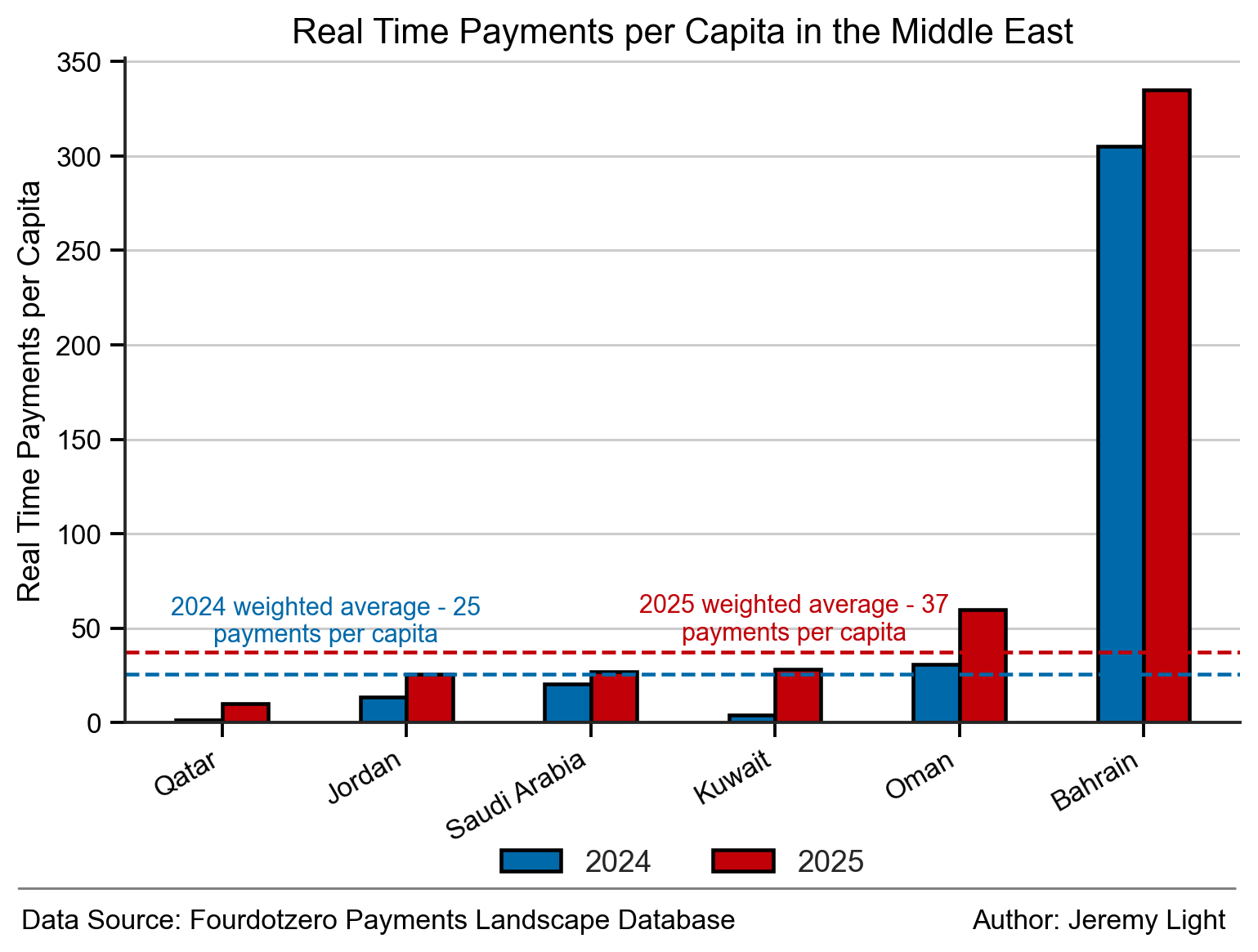
Figure 1 – real-time payments per capita in selected countries in the Middle East2
The most recent newcomers are Qatar’s Fawran and Kuwait’s WAMD real-time payments systems, both launched in 2024.
Kuwait at 28 PPC is ahead of Qatar at 10 PPC but both are growing strongly, well over 500% per annum, as shown in Figure 2.
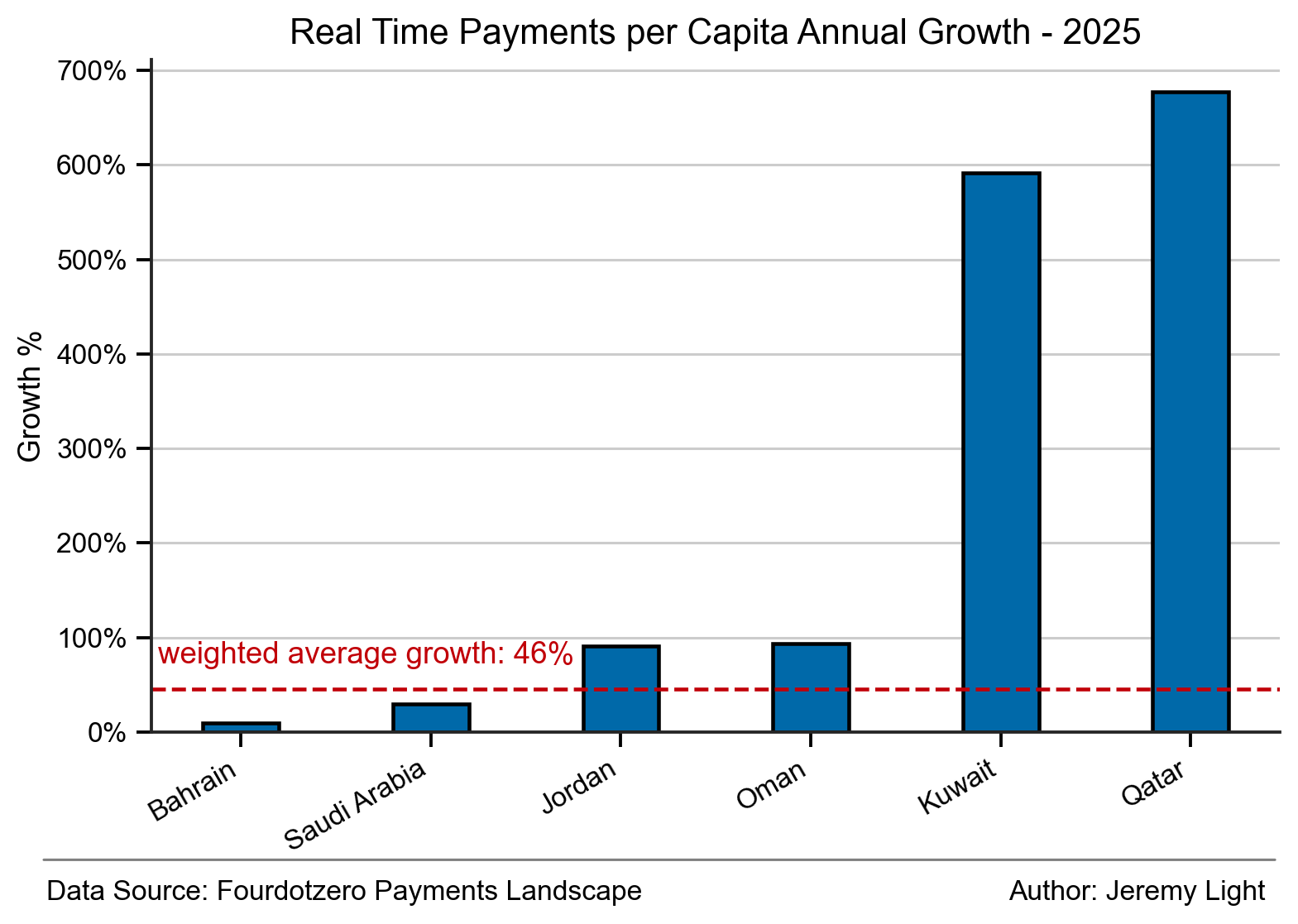
Figure 2 – real-time payments per capita growth (2025) in selected countries in the Middle East
Last year, I observed that real-time payment systems are a feature of nation building and that as this gathered pace in the region, I expected to see real-time payment volumes increase significantly over the next few years.
This is certainly happening. Bahrain is leading the way and other countries with similar real-time payment infrastructure are likely to catch up over time.
Indeed, real-time payments in the Middle East are full of Eastern promise.
Middle East real-time payments 2024: https://jeremylight.substack.com/p/it-aint-no-big-thing-but-its-growing
I define real-time payments to be transactions which result in the real-time transfer of funds from sender to receiver with immediate availability of funds for the receiver. This includes bank account payments and non-bank stored value account payments (e.g. telco mobile payments). The analysis for Figures 1 and 2 includes on-us payments between accounts at the same institution, estimated where published data is unavailable.